









Premium Kitchen Knife – Chef Knives with Wood Handles
Kitchen Knife designs play an essential role in everyday food preparation, whether you are making a simple family meal or preparing ingredients for a more elaborate recipe. A thoughtfully selected kitchen knife should offer an appropriate blade shape, comfortable handling, and a practical design that suits the foods being prepared.
Our featured kitchen knife collection brings together several distinctive chef-style designs, with polished cutting edges, dark textured blade finishes, contrasting handle colors, and attractive wood-grain details. The pictured styles range from conventional pointed chef knives to broader blades and cleaver-inspired profiles.
Each design offers its own visual character. Some feature smooth silver blades, while others have a dark hammered or forged-look finish across the upper portion of the metal. The handles include combinations of brown, orange, and black finishes, creating a traditional appearance with modern detailing.
Whether you are a home cook, culinary enthusiast, or someone comparing different kitchen cutlery designs, this collection provides a useful introduction to the shapes and finishes available in contemporary kitchen knives.
Kitchen Knife Designs for Everyday Food Preparation
A kitchen knife is one of the most frequently used tools in a cooking space. Its main purpose is to support food preparation, from portioning vegetables to slicing ingredients before cooking.
Different blade shapes suit different types of food preparation.
A traditional chef knife typically has an elongated blade with a curved cutting edge and pointed tip. This profile makes it a familiar choice for general kitchen work.
Wider chef-style blades provide a larger blade face, while cleaver-inspired designs have a broader, deeper profile.
The supplied images show several examples of these blade forms.
One knife has a tall, dark-textured blade with a polished cutting section and a brown-and-black handle.
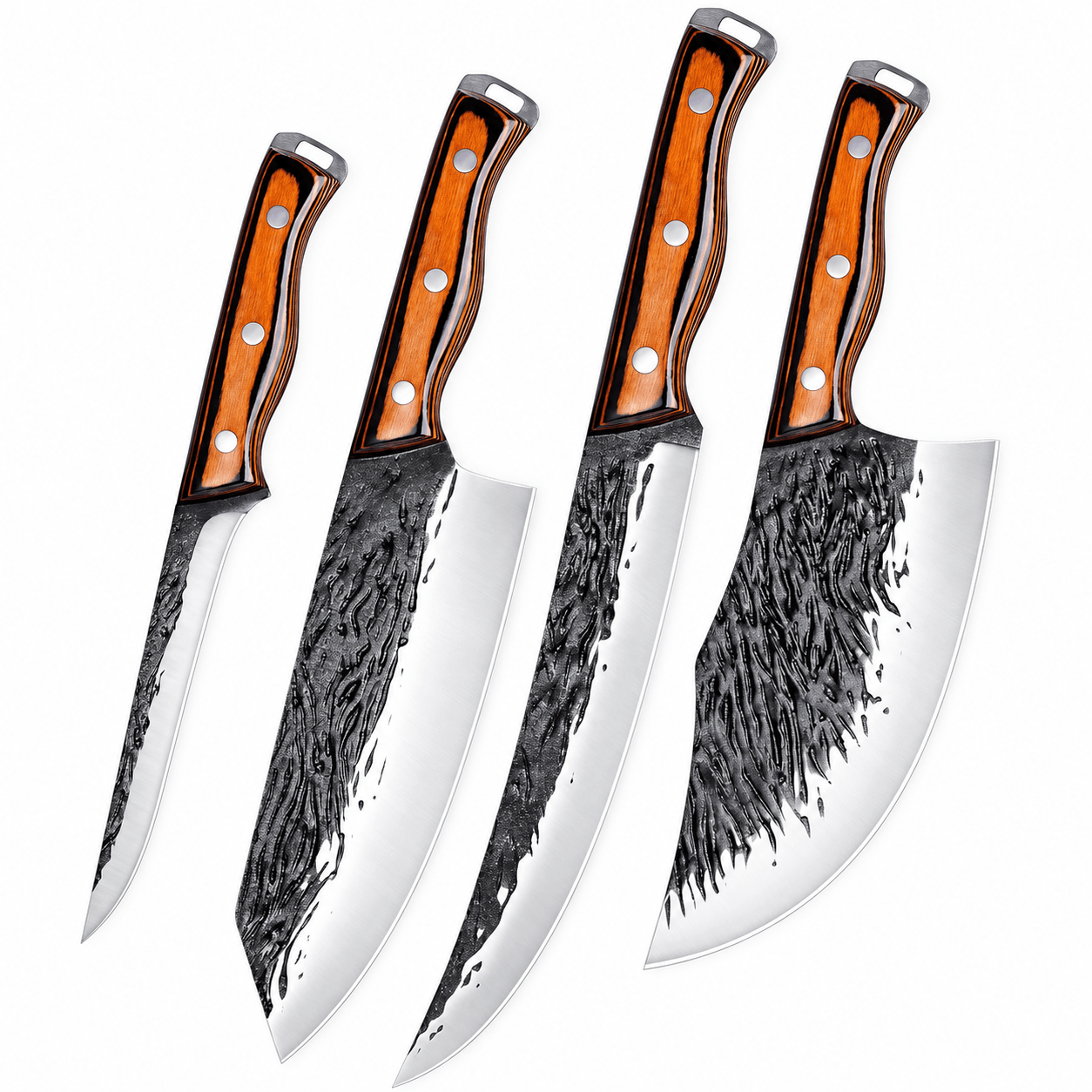
Another image displays four knives with different blade widths, including narrower chef-style profiles and broad chopping-knife shapes.
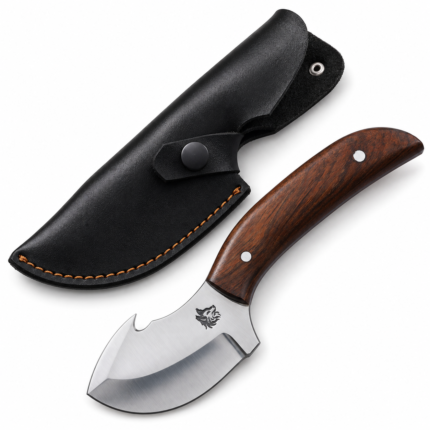
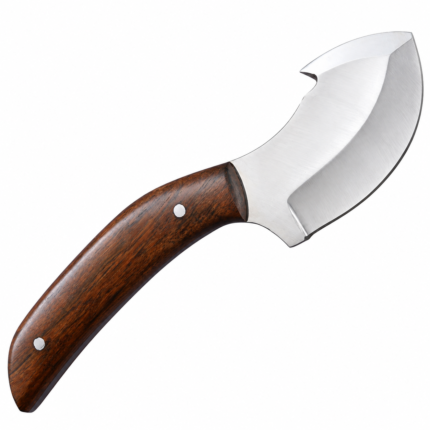
The collection also includes examples of patterned blades, smooth silver blades, and a broad cleaver-style knife shown with a protective cover.
These variations allow buyers to compare different appearances and choose a style that suits their kitchen preferences, subject to the variations actually offered for sale.
Attractive Hammered-Finish Blade Designs
A particularly distinctive feature of several pictured knives is the contrasting blade finish.
The upper portions show dark, irregular textures that resemble hammered or forged metal, while the lower cutting sections have smoother silver surfaces.
This combination creates an attractive visual division across the blade.
Rather than appearing completely polished from spine to cutting edge, the textured designs feature darker areas with irregular surface patterns.
The effect adds character and helps distinguish these knives from plain stainless-looking kitchen cutlery.
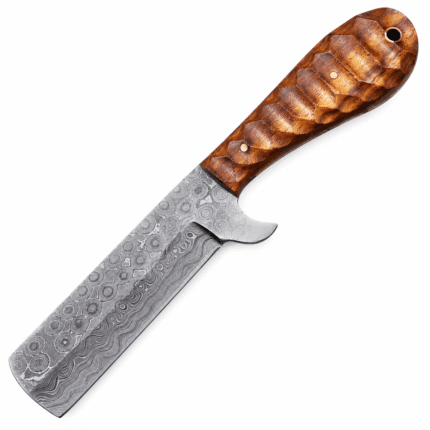
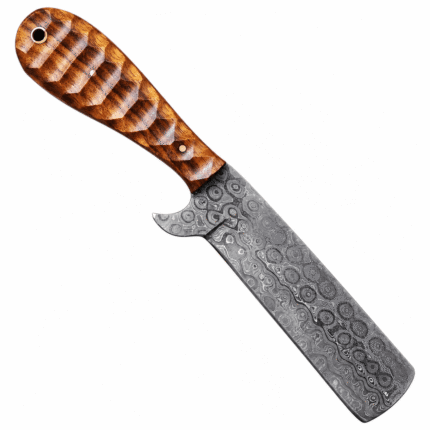
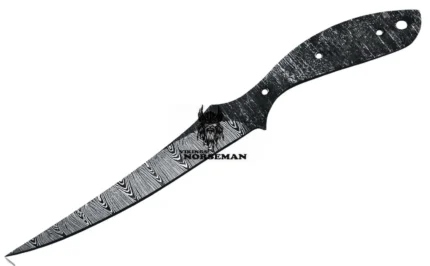
The uploaded images also include an example of a blade with repeating decorative patterns resembling Damascus-style metalwork.
These appearances should not be confused with verified manufacturing specifications.
A hammered-looking finish does not establish that a blade was hand-forged, and a Damascus-style pattern does not confirm pattern-welded steel.
The exact production method and blade materials should be confirmed through supplier documentation.
For customers comparing designs, these finishes provide an attractive decorative choice without changing the fundamental purpose of the knife as a kitchen preparation tool.
Kitchen Knife with Comfortable Wood-Grain Handle Styling
The handle has an important influence on a knife’s appearance and practical handling.
Several pictured models feature brown wood-grain handles with darker lines and contrasting metallic fittings.
Other examples show black handles, layered orange-and-black grips, or combinations of dark material and brown wood-like surfaces.
These details create different visual styles while maintaining the traditional chef-knife appearance.
The handle shapes also vary.
Some are relatively straight, while others have a gently curved profile that becomes narrower near the blade and wider toward the end.
One design includes decorative bands between contrasting handle sections.
Another features a polished metal bolster connecting the blade with a brown handle.
Wood-grain surfaces can create a warm, traditional appearance that works well with both polished and textured metal finishes.
However, the exact materials cannot be established from photography alone.
Customers seeking natural hardwood, laminated wood, stabilized wood, or synthetic handle materials should consult the confirmed product specifications.
Actual grip comfort depends on handle dimensions, weight, finish, and hand size.
Chef Knife Blade Profiles and Their Applications
Chef knives are designed in several recognizable shapes.
Some feature wide blades with pointed tips and gently curved edges. Others have flatter sections near the heel or more pronounced curvature toward the tip.
The products shown in the images represent several of these styles.
The narrowest knife in the four-piece assortment has a slender blade profile.
The wider examples have broad blade faces and substantial cutting sections.
The largest pictured blade resembles a chef’s cleaver, with a deeper profile and a relatively broad cutting edge.
A separate product image shows a smooth, elongated chef knife with a curved cutting edge and contrasting dark handle.
For food preparation, blade geometry matters because different shapes are suited to different cutting movements and ingredient sizes.
A standard chef knife is commonly used for preparing vegetables, herbs, fruit, and boneless foods.
Broader knife profiles may offer additional cutting surface for larger ingredients.
The appropriate use of each knife should follow its manufacturer’s specifications.
A broad blade should not automatically be treated as a bone-cutting cleaver unless the manufacturer specifically identifies it for that purpose.
Kitchen Knife for Vegetables and Fruits
Fresh vegetables and fruits are essential ingredients in many everyday meals.
Preparing them often requires a kitchen knife with a suitable cutting edge and an easy-to-control handle.
Common tasks include slicing tomatoes, cutting onions, preparing cucumbers, chopping leafy vegetables, and portioning fruit.
The pictured chef-style blade shapes are associated with this general category of food preparation.
A pointed chef knife can be useful when preparing different ingredient shapes, provided the selected blade is appropriate for the task.
The broader profiles are also familiar in kitchens where cooks prefer a larger blade face.
When comparing kitchen knives for vegetables, customers should consider blade length, blade geometry, overall balance, and handle comfort.
The best option depends on the ingredients, cutting board, and personal preference.
The visual differences in this collection help customers identify a preferred style before reviewing the individual specifications.
Food Preparation for Home Kitchens
A reliable kitchen setup does not necessarily require a large number of knives.
For many households, a well-chosen chef knife provides a versatile foundation for routine ingredient preparation.
It can be used for a range of tasks when maintained properly and operated according to the manufacturer’s instructions.
These include preparing vegetables for soups, portioning ingredients for salads, slicing suitable boneless foods, and cutting fruit.
The range of knife shapes pictured here reflects the variety of designs available for such applications.
Some customers prefer traditional smooth silver blades.
Others appreciate black textured finishes or wood-grain handles that complement their kitchen accessories.
The choice may depend on appearance, handling preferences, and the type of food preparation performed most often.
The product’s confirmed steel composition, blade size, and sharpening specifications should guide the final selection.
Kitchen Knife Designs for Cooking Enthusiasts
Cooking enthusiasts often pay attention to both the practical characteristics and appearance of their kitchen tools.
The knives pictured here feature several details that may appeal to those interests.
The contrast between polished edges and dark blade textures is particularly noticeable.
Some handles have warm natural-looking grain patterns, while others use layered finishes and metallic accent pieces.
Together, these elements create a more distinctive appearance than completely plain kitchen cutlery.
The collection also demonstrates that chef knives can vary significantly in shape while serving a broadly similar purpose.
An elongated pointed blade gives a traditional chef-knife impression.
A deep, wide blade provides a different visual profile.
A wood-grain handle creates a warmer aesthetic, while a black grip introduces a more understated appearance.
For customers who enjoy choosing kitchen equipment that complements their cooking environment, these design variations are worth exploring.
Premium Kitchen Knife with Decorative Blade Finishes
Decorative finishes can make kitchen cutlery visually appealing without requiring unnecessary embellishments.
Several blades in the uploaded images feature dark textures near the spine and smooth silver cutting areas below.
One image shows a patterned blade displayed from both its broad face and narrow spine.
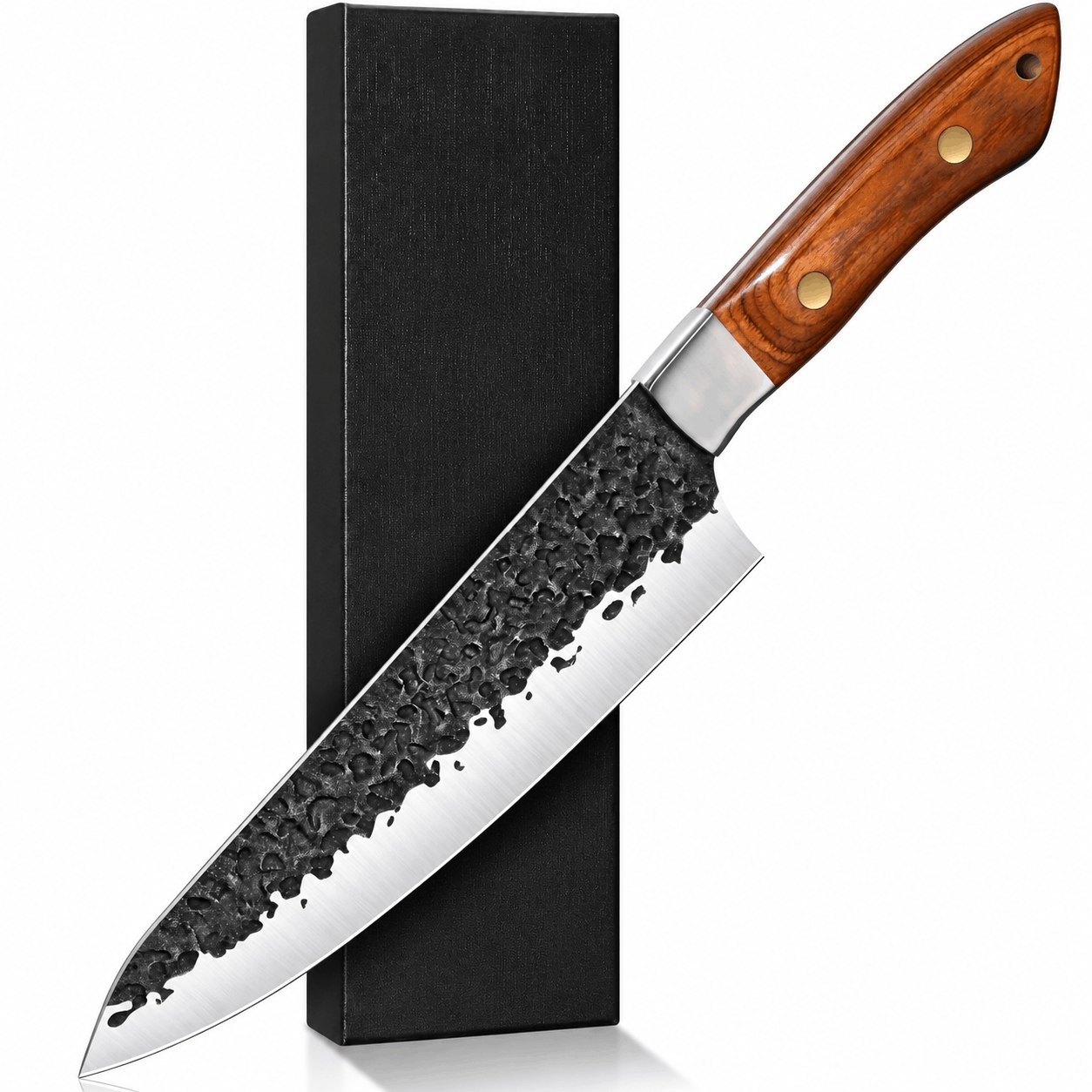
Another shows a large chef-style blade next to a black presentation box.
These details help illustrate the visual variety represented in the collection.
The finish should be evaluated separately from the quality of the steel.
A blade with attractive patterns is not automatically harder, sharper, or more corrosion-resistant than a plain blade.
Those characteristics depend on its material composition, heat treatment, cutting geometry, and maintenance.
For accurate product evaluation, customers should consider both the appearance and confirmed technical specifications.
Kitchen Knife Dimensions and Size Selection
Knife size is an important consideration when selecting kitchen cutlery.
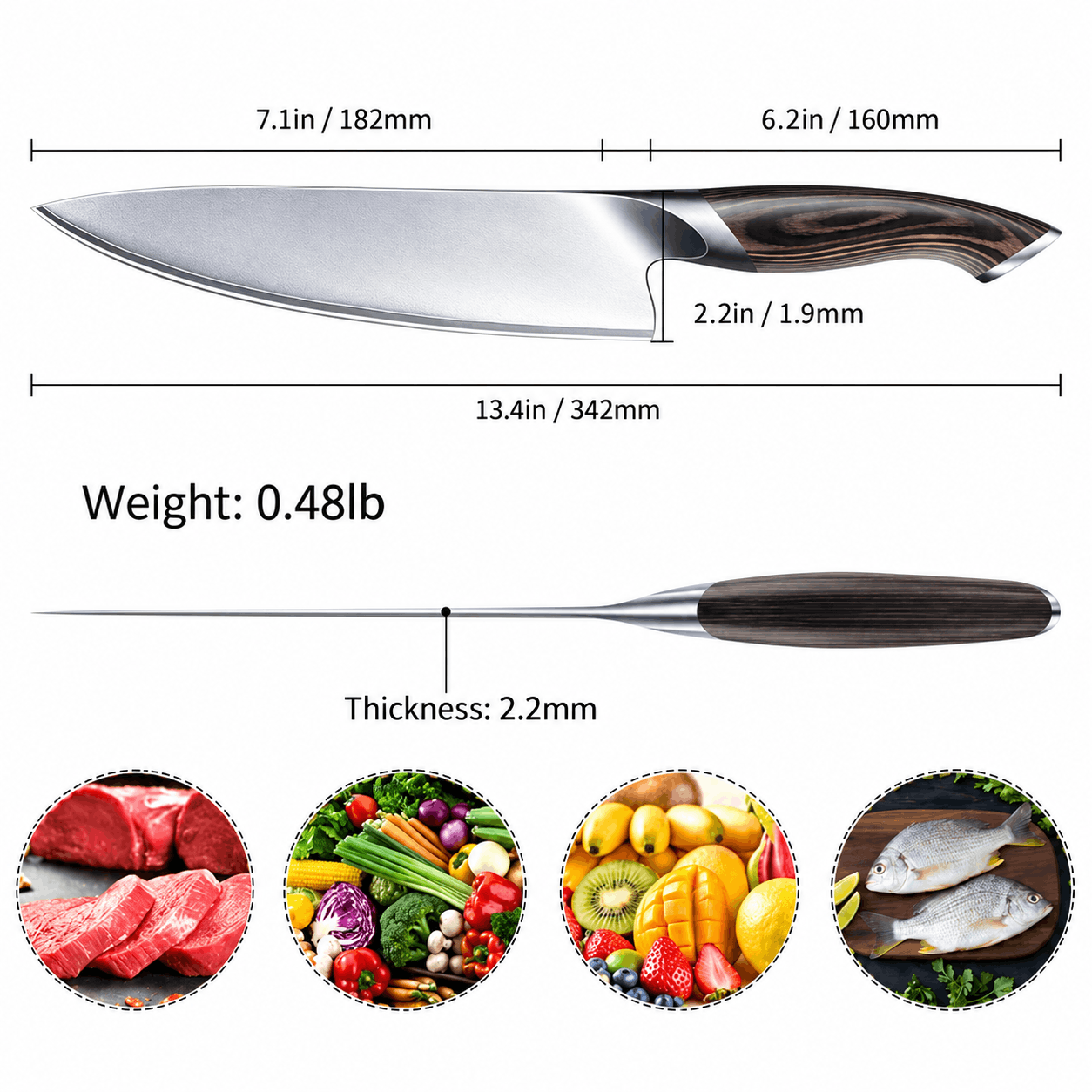
The uploaded images include two dimensional diagrams showing different knife profiles.
One diagram displays an overall length of approximately 13.4 inches or 342 mm, with a blade measurement of 7.1 inches or 182 mm, a handle measurement of 6.2 inches or 160 mm, and a stated thickness of 2.2 mm.
Another shows an overall length of approximately 11.5 inches or 290 mm, with a 6-inch or 150 mm blade, a 5.5-inch or 140 mm handle, and a stated thickness of 2.2 mm.
These figures describe the particular designs depicted in those images.
They should not be applied to every knife in the collection.
A third image displays separate measurements for a wood-handled knife, including a 4.5-inch handle and 8⅜-inch blade.
These dimension references appear to represent different knife designs or specifications.
Customers should verify the dimensions of their selected variation before ordering.
It is also important to confirm the measurement references and units, as displayed graphics may contain rounding or inconsistent labels.
Understanding the Available Kitchen Knife Styles
The uploaded images represent a useful range of kitchen cutlery designs.
Traditional chef knife: An elongated blade with a pointed tip and broad cutting section.
Hammered-finish chef knife: A design featuring irregular dark surface textures and a polished cutting edge.
Wood-handle chef knife: A traditional-looking knife with a warm brown handle appearance.
Broad kitchen knife: A knife with a deeper blade profile that resembles certain chef’s cleaver or vegetable knife designs.
Patterned kitchen knife: A knife featuring decorative metal patterns and a contrasting handle.
Knife assortment: A photographed arrangement of four kitchen knives with different blade widths and shapes.
These categories describe the visible designs rather than confirmed product variations.
The actual purchasable options should be listed clearly in the WooCommerce variation selector if multiple styles are available.
Kitchen Knife Product Features and Specifications
The following characteristics can be identified from the supplied photographs.
Product Category: Kitchen Knives
Primary Product Type: Chef Knife
Additional Pictured Types: Broad Kitchen Knife and Cleaver-Style Knife
Blade Shapes: Pointed Chef-Style, Broad Chef-Style, and Wide Cleaver-Inspired Profiles
Blade Appearances: Smooth Silver, Dark Textured, Hammered-Look, and Decorative Patterned Finishes
Handle Appearances: Brown Wood Grain, Black, and Orange-and-Black Layered Styling
Handle Details: Circular Metallic Pins, Decorative Bands, and Metal Bolsters on Selected Designs
Pictured Dimensions: Different measurements shown for different knives
Blade Thickness: 2.2 mm shown on two separate dimension illustrations
Only the verified details for the selected knife should appear as fixed product attributes.
An Attractive Addition to a Kitchen Collection
Kitchen knives are practical tools, but their design also contributes to the overall appearance of a cooking space.
A chef knife with a brown wood-grain handle can complement traditional chopping boards and wooden kitchen accessories.
A black-handled knife may suit a more minimal kitchen style.
Hammered-look blade finishes add visual texture, while decorative patterned metal creates an individual character.
The photographs also show how different blade widths can change the impression of a knife.
Narrower profiles appear streamlined, while broader shapes have a more substantial visual presence.
These differences are worth considering when choosing cutlery for personal use or when replacing older kitchen knives.
The most suitable model is one that combines an appropriate blade design with verified materials, comfortable handling, and proper maintenance requirements.
Kitchen Knife Care and Cleaning Instructions
Regular maintenance is important for preserving the condition of kitchen knives.
After preparing food, clean the blade using a method appropriate for its confirmed material.
Remove food residue promptly and dry the knife thoroughly before storage.
Avoid prolonged exposure to moisture unless the manufacturer confirms that the materials can tolerate it.
Different steel grades have different corrosion-resistance characteristics.
Some carbon-steel blades may require additional protection, while stainless alloys have their own maintenance requirements.
The handle should also be cleaned according to its material.
Natural wood may require different care from synthetic or laminated handle materials.
Avoid soaking wooden handles for extended periods.
Do not assume a knife is dishwasher-safe without manufacturer confirmation.
For routine maintenance, hand washing with suitable mild detergent and careful drying is generally a sensible starting point.
Maintaining the Cutting Edge
The condition of a knife’s cutting edge influences its usefulness during food preparation.
Regular use can gradually affect edge sharpness.
The appropriate maintenance method depends on blade geometry, steel type, and manufacturer recommendations.
Some knives may benefit from periodic honing, while others require sharpening with suitable equipment.
An abrasive tool should be compatible with the blade material and cutting-edge geometry.
Incorrect sharpening can alter the blade profile or damage the finish.
For customers unfamiliar with sharpening, professional maintenance may be preferable.
Never test edge sharpness directly with your fingers.
A properly maintained blade should be used with an appropriate cutting surface and careful handling practices.
Safe Kitchen Knife Storage
Kitchen knives should be stored securely when not in use.
Exposed blades can create a risk of accidental cuts, particularly inside crowded drawers.
Suitable storage options may include a properly designed knife block, protective blade cover, or another secure system compatible with the knife.
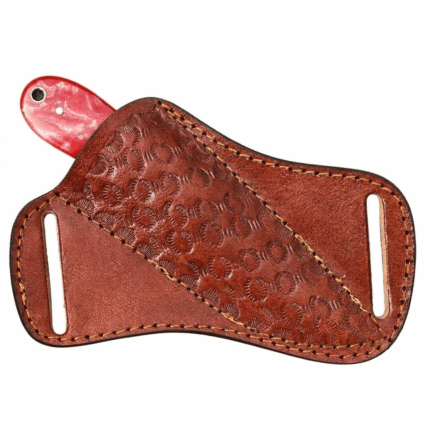
One of the uploaded images shows a light-colored protective cover next to a broad knife.
Another shows a black presentation-style box.
These accessories are visible in the photographs, but their inclusion in the final purchase has not been confirmed.
Customers should check the selected product variation to determine which accessories are supplied.
Knives should always be kept away from children and stored in a stable, dry location.
A Practical Gift Idea for Cooking Enthusiasts
Kitchen cutlery can be a thoughtful gift for someone who enjoys preparing meals.
A chef knife is a familiar tool in many kitchens, making it a useful category to consider for cooking enthusiasts.
The photographed designs offer several visual styles.
Traditional brown wood-grain handles may appeal to customers who prefer classic kitchen accessories.
Darker grips and textured blade finishes may suit those who appreciate contemporary designs.
Decorative metal patterns can also provide visual interest.
Before choosing a knife as a gift, confirm its dimensions, included packaging, blade material, and maintenance requirements.
The recipient’s experience with kitchen knives and preferred cooking tasks are also important considerations.
Why Choose This Kitchen Knife Collection?
This collection highlights the variety of designs available within modern chef and kitchen knives.
From polished blades and textured finishes to traditional wood-grain handles, the pictured styles offer several different visual directions.
The elongated chef-knife profiles are recognizable for general food preparation.
The broader knives introduce alternative blade shapes.
The decorative handle fittings and contrasting finishes add character without changing the product’s fundamental kitchen purpose.
Customers can compare the designs to identify an appearance and blade style they prefer.
The final selection should be based on the confirmed product variation, specifications, and included accessories.
Explore Our Kitchen Knife Designs
A well-chosen kitchen knife can become a familiar part of everyday food preparation.
The designs featured here combine recognizable chef-knife profiles with attractive blade finishes and traditional or contemporary handle styling.
Whether you prefer a smooth silver blade, a darker textured finish, or a broad chef-style profile, the collection provides several visual options to explore.
Review the available variations, verified material details, dimensions, and accessories before purchasing, and choose the kitchen knife design that best suits your cooking needs.






Reviews
There are no reviews yet.